
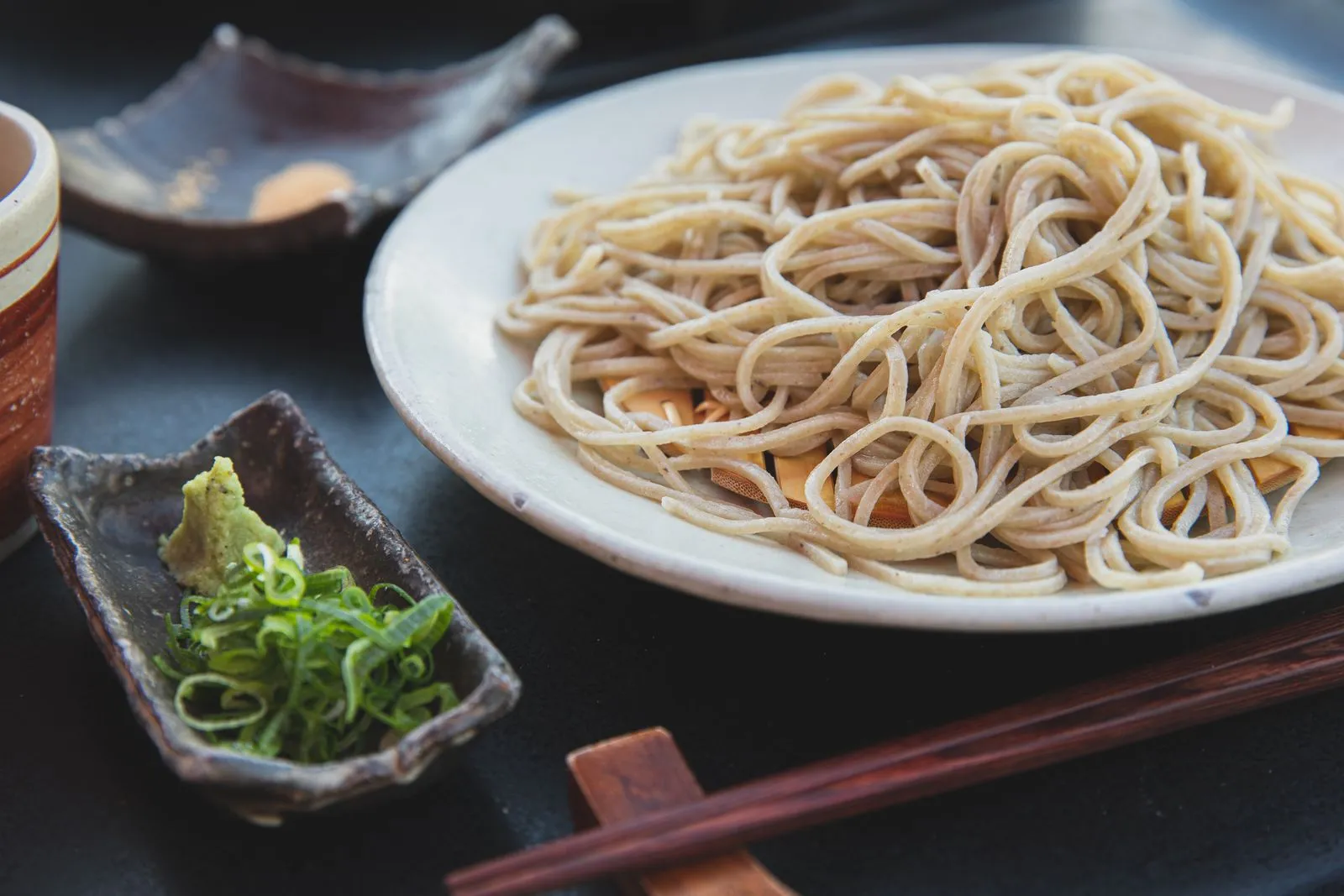
Japanese cooking features many ingredients that work naturally in plant-based meals: rice, tofu, noodles, vegetables, mushrooms, and seaweed. Together, they offer varied textures and savory flavors without requiring meat or dairy. Still, a dish made with familiar plant ingredients is not automatically vegan. Broths, sauces, and toppings can contain fish, eggs, or other animal products. Knowing what goes into each component helps you choose meals confidently and adapt traditional flavor combinations for vegan cooking.
Build meals around rice
Rice is a versatile base for Japanese meals, from simple bowls to sushi. Short-grain rice is often cooked until tender and slightly cohesive, making it easy to pair with vegetables, tofu, or mushrooms. Plain rice is generally plant-based, but seasoned rice may include ingredients such as vinegar, sugar, or flavorings, so check the preparation if you need to confirm every component.
For a balanced bowl, combine rice with a protein-rich topping, cooked vegetables, and something crisp or tangy. For example, tofu and sautéed greens can be paired with pickled vegetables and a sesame dressing. Keeping the components distinct makes it easier to adjust portions and identify ingredients that may need verification.
Use tofu for substance
Tofu absorbs the flavors around it, which makes it useful in soups, stir-fries, rice bowls, and noodle dishes. Different varieties bring different textures: firm tofu holds its shape when pan-seared, while softer tofu suits gentle broths and sauces. Pressing firm tofu before cooking can remove excess moisture and help it brown more evenly.
A flavorful marinade can be as simple as soy sauce, ginger, garlic, and a little sesame oil. Check packaged seasonings and prepared sauces for fish-based ingredients, and choose a verified vegan alternative when needed. Tofu can also be served plain with a carefully prepared sauce, allowing its mild flavor and texture to complement stronger ingredients.
Choose noodles and vegetables
Japanese meals use a range of noodles, including soba, udon, and ramen. Their ingredients vary: some soba contains wheat in addition to buckwheat, and noodle products may include egg. Read labels or ask how noodles are made rather than relying on the name alone. Even egg-free noodles may be served with a broth or topping that is not vegan.
Vegetables add color, texture, and seasonal variety. Common choices include mushrooms, cabbage, carrots, greens, and eggplant, prepared by simmering, grilling, steaming, or quick sautéing. Cook vegetables just until tender when you want them to retain some bite. A mix of cooking methods can make a simple plant-based bowl feel more varied without adding complicated ingredients.
Add seaweed and savory depth
Seaweed contributes salty, briny, and savory notes. Nori can wrap rice or crumble over a bowl, while kombu is often used to flavor broth. Dried seaweed is convenient to store, but products and preparations differ, so review labels when buying seasoned varieties. Some flavored seaweed snacks contain added ingredients that may not fit a vegan diet.
Broth deserves special attention because fish-based dashi is common in Japanese cooking. For a vegan version, cooks can build flavor with kombu, dried shiitake mushrooms, or both, then season to taste. Ask whether soups, sauces, and simmering liquids use fish stock, bonito, or other animal-derived ingredients. At Saguaro Shokudo in Tucson, diners can ask about ingredients and preparation when choosing a plant-based meal.
Rice, tofu, noodles, vegetables, and seaweed provide a strong foundation for Japanese plant-based cooking. The key is checking the details: noodle ingredients, broth, sauces, and toppings can change whether a dish is vegan. Ask how each part is prepared, then build a meal around the flavors and textures you enjoy. For a local option, contact Saguaro Shokudo with questions about its menu.